
Joint and muscle discomfort is often influenced by everyday habits more than people realize. The way you sit, move, sleep, and even how often you take breaks throughout the day can all contribute to how your body feels over time. While occasional soreness can be part of normal activity, repetitive strain and poor movement patterns may lead to ongoing tension or stiffness.
The good news is that small, consistent adjustments to your daily routine may help reduce unnecessary strain on joints and muscles. This article outlines practical habits that can support better movement, improved comfort, and long-term mobility.
Why Daily Habits Matter
Your body adapts to the positions and movements you repeat most often. If those patterns place excess stress on certain areas, such as the lower back, shoulders, or knees, discomfort can gradually build over time.
Common contributors include:
- Prolonged sitting or standing in one position
- Repetitive movements without proper breaks
- Poor posture during work or daily activities
- Limited movement throughout the day
By improving these habits, you may help reduce strain and support more balanced movement.
Improve Your Posture Throughout the Day
Posture plays a key role in how stress is distributed across your joints and muscles. Poor alignment can place added pressure on specific areas, especially the spine, neck, and shoulders.
Helpful adjustments include:
- Keeping your shoulders relaxed and not rounded forward
- Positioning your screen at eye level when working
- Sitting with your feet flat on the floor and knees at a right angle
- Avoiding slouching or leaning to one side for extended periods
Even small posture corrections throughout the day can make a noticeable difference over time.
Take Regular Movement Breaks
Staying in one position for too long can increase stiffness and reduce circulation. Whether you sit at a desk or stand for long periods, incorporating movement breaks can help relieve tension.
Try to:
- Stand up and walk every 30 to 60 minutes
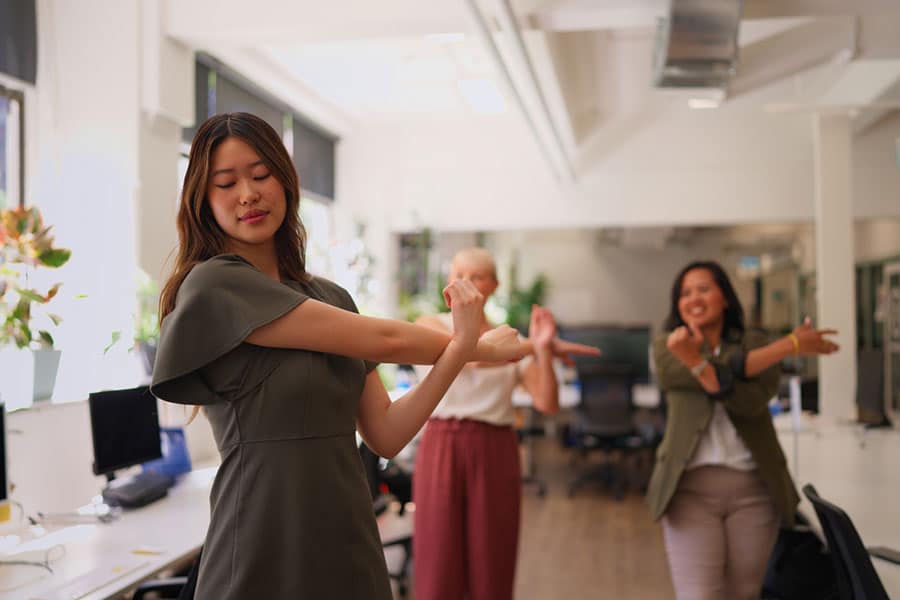
- Gently stretch your neck, shoulders, and legs
- Change positions frequently throughout the day
These short breaks can help reset your posture and reduce buildup of strain.
Focus on Ergonomic Workspaces
Your work environment should support your body rather than work against it. An ergonomic setup can help minimize unnecessary stress on joints and muscles.
Consider the following:
- Use a chair that supports your lower back
- Keep your keyboard and mouse within easy reach
- Adjust desk height so your arms rest comfortably
- Position frequently used items close to avoid overreaching
Creating a supportive workspace is especially important for individuals who spend long hours at a desk.
Pay Attention to How You Lift and Carry
Improper lifting techniques can place excess strain on the back, hips, and knees. Whether you are lifting at work or at home, using proper mechanics can help reduce risk of discomfort.
Key habits include:
- Bending at the knees instead of the waist
- Keeping objects close to your body
- Avoiding twisting while lifting
- Using both hands when possible
Being mindful of these movements can help protect your joints during everyday tasks.
Stay Consistent with Light Movement and Exercise
Regular movement helps maintain flexibility, strength, and joint function. You do not need an intense routine to see benefits. Consistency is more important than intensity.
Examples of supportive activities include:
- Walking
- Gentle stretching
- Low-impact exercises such as cycling or swimming
- Guided physical therapy exercises if recommended
Movement helps keep joints active and muscles engaged, which may reduce stiffness over time.
Support Your Body with Proper Footwear
The shoes you wear can influence alignment and impact how force is distributed through your joints. Unsupportive footwear may contribute to strain in the feet, knees, hips, and lower back.
Look for shoes that:
- Provide adequate arch support
- Fit properly without being too tight or loose
- Offer cushioning for daily activities
If you spend long hours on your feet, footwear becomes even more important.
Be Mindful of Sleep Positions
Sleep is a time for your body to recover, but certain positions may contribute to strain if not properly supported.
Helpful tips include:
- Using a pillow that keeps your neck in a neutral position
- Placing a pillow between your knees if you sleep on your side
- Avoiding positions that twist your spine for long periods
Proper support during sleep can help reduce tension that carries into the next day.
Stay Hydrated and Support Muscle Function
Hydration plays a role in muscle function and overall physical performance. While it may seem simple, not drinking enough water can contribute to muscle tightness and fatigue.
Try to:
- Drink water consistently throughout the day
- Increase intake during physical activity
- Limit excessive caffeine or dehydration triggers
Supporting your body internally is just as important as external habits.
Listen to Your Body and Adjust
One of the most important habits is paying attention to how your body responds to different activities. Discomfort is often a signal that something may need to be adjusted.
Consider:
- Modifying movements that cause repeated strain
- Taking breaks when needed
- Seeking guidance if discomfort persists or changes
Early awareness can help prevent minor issues from becoming more noticeable over time.
When to Consider Additional Support
If daily habits are not providing enough relief, it may be helpful to explore additional options. A professional evaluation can provide insight into movement patterns, posture, and potential contributing factors.
This type of guidance can help you better understand your body and develop a plan that fits your lifestyle.
Daily habits have a significant impact on how your joints and muscles feel over time. By improving posture, staying active, using proper movement techniques, and creating supportive environments, you can help reduce unnecessary strain and support long-term mobility.
Consistency is key. Small adjustments made each day can lead to meaningful improvements in comfort and overall function.